
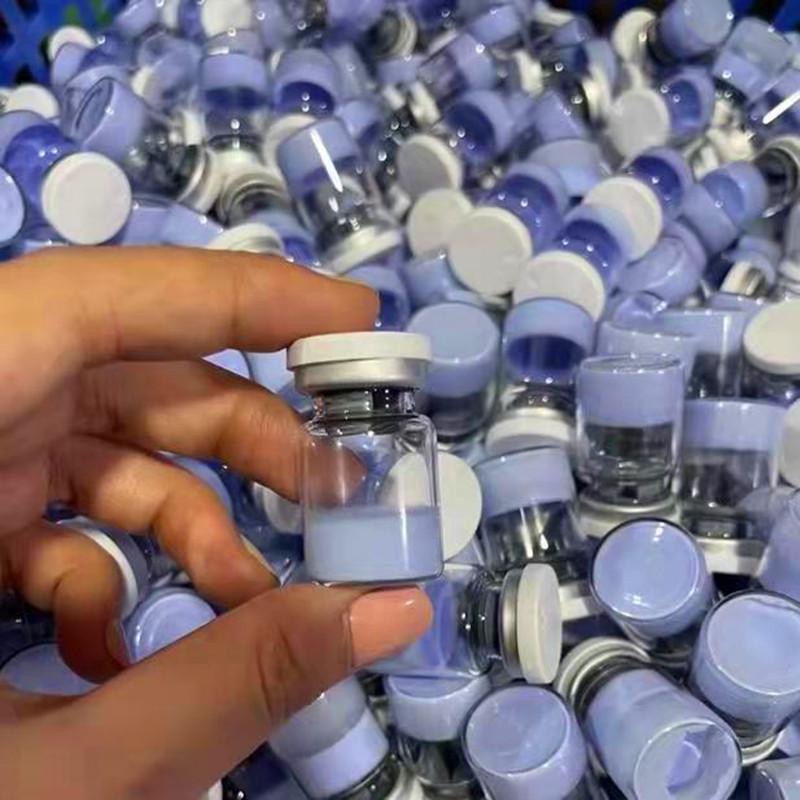
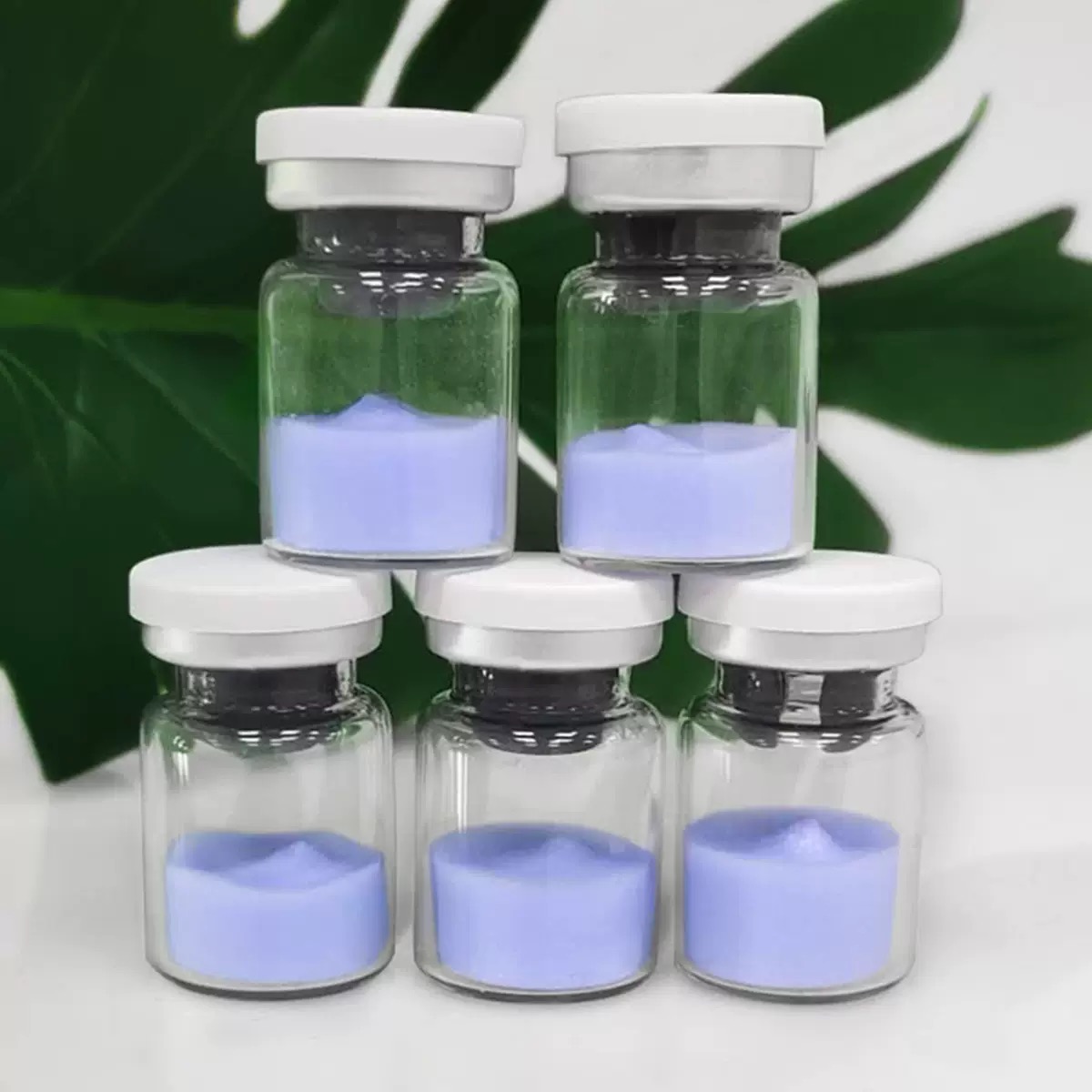
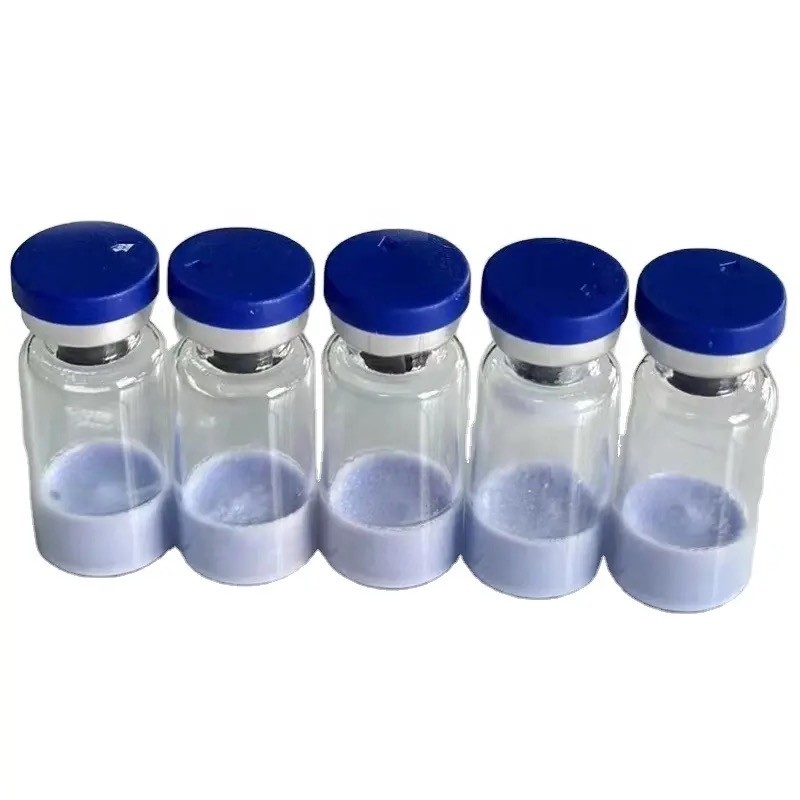
KLOW
Review specification, purity, and peptide sourcing details for KLOW. Continue to the inquiry route if you need pricing, lead time, shipping support, or supporting documents for this peptide product.
Specification80mg
Purity99%
Product Description
Klow is a formula based on "Glow" (which typically contains BPC-157, TB-500, and GHK-Cu), with the addition of KPV tripeptide. Therefore, it consists of the following four ingredients:
BPC-157: Often referred to as a "protective complex," research focuses on its protective and repairing effects on muscles, tendons, and the digestive tract.
TB-500: A fragment of thymosin β4 synthesis; research suggests it can promote cell migration and angiogenesis, aiding in tissue repair.
GHK-Cu: Also known as copper peptide, naturally occurring in the human body, primarily studied for its association with promoting collagen synthesis, wound healing, and skin health.
KPV: A fragment of alpha-melanocyte-stimulating hormone; research focuses on its anti-inflammatory and immunomodulatory properties.
If "Glow" emphasizes "repair and regeneration," then with the addition of KPV, which has anti-inflammatory effects, "Klow" further emphasizes "control of the inflammatory response" on top of repair. This combination is believed to have a synergistic effect, simultaneously intervening in both inflammation control and repair promotion, providing more comprehensive support for tissue regeneration and overall health. Klow's research applications mainly focus on the following areas:
·Tissue Repair and Regeneration: Investigating its repair potential for soft tissue injuries such as muscles, tendons, and ligaments.
·Inflammation Regulation: Exploring its role in models of chronic inflammation, autoimmune diseases, or intestinal inflammation.
·Skin and Connective Tissue Health: Investigating its effects on collagen synthesis, skin elasticity, and wound healing.
·Cellular Signaling Pathway Research: Exploring fundamental mechanisms such as extracellular matrix remodeling, protein function, and redox balance in the laboratory.
Peptide FAQ & Support
Buyers often use this page to review peptide specification details, confirm whether certificates are available, and start product-specific inquiries.
For document requests or quotation support, continue to the contact page and include your required quantity, target specification, and shipping destination.